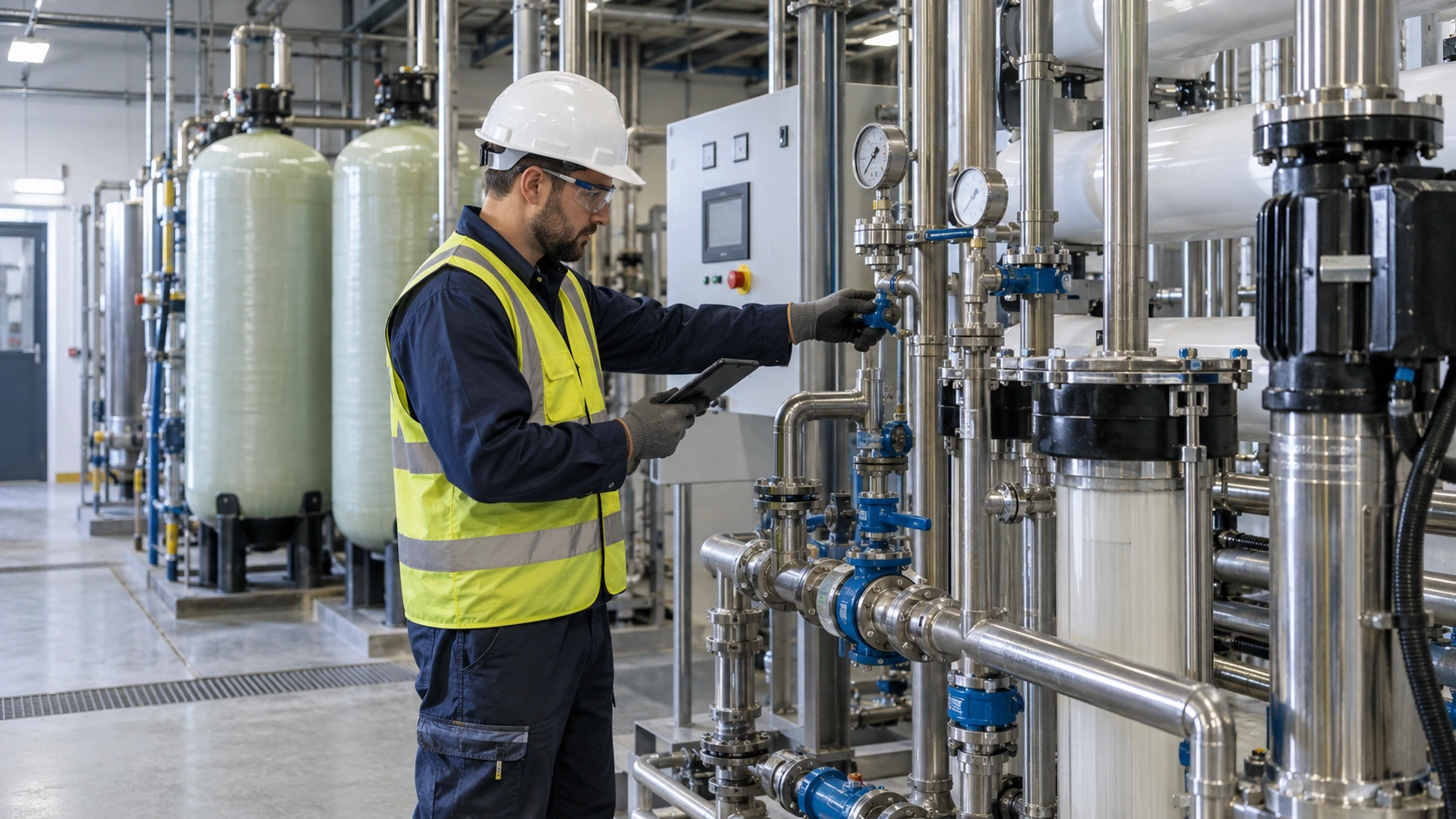
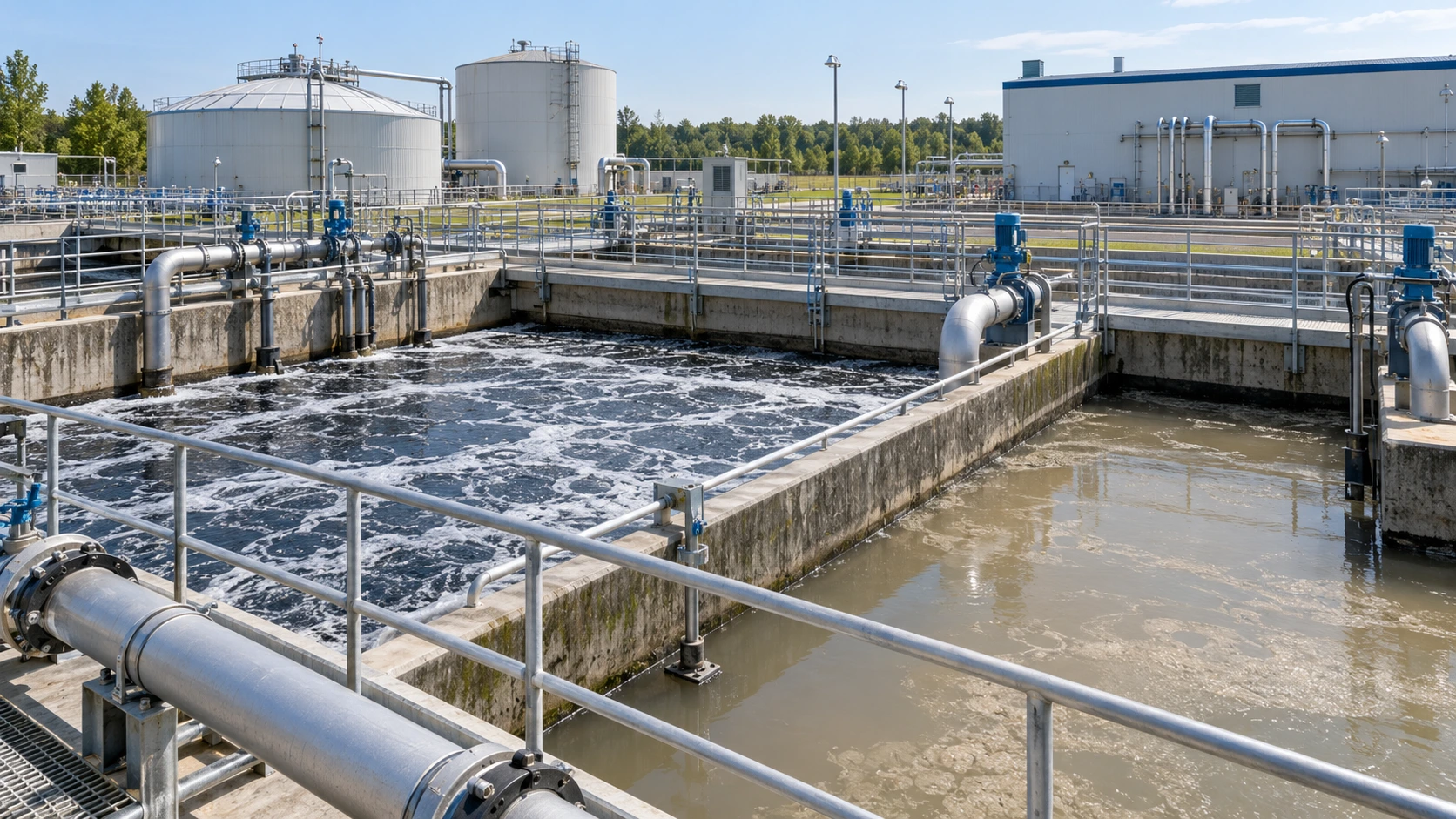
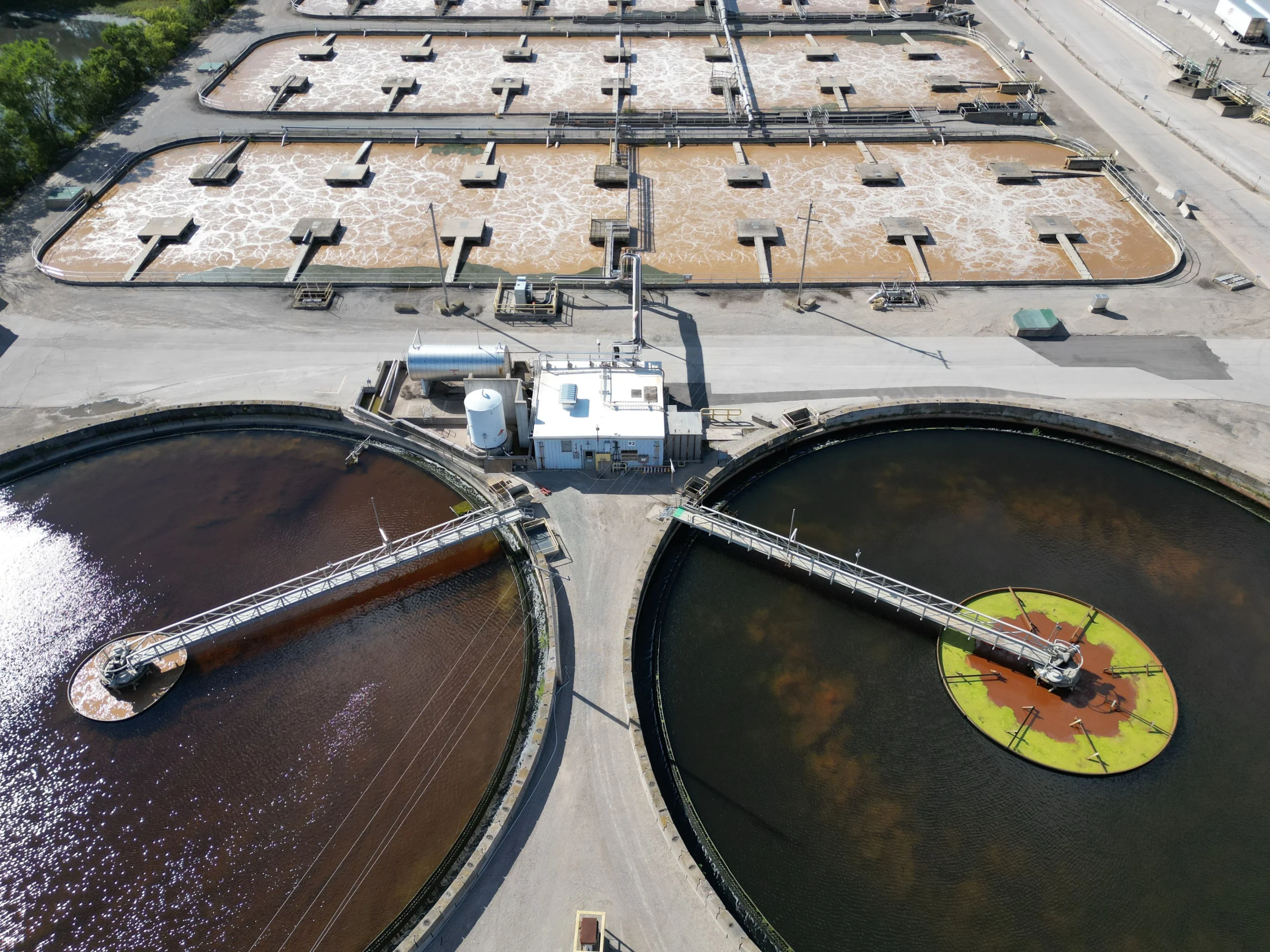
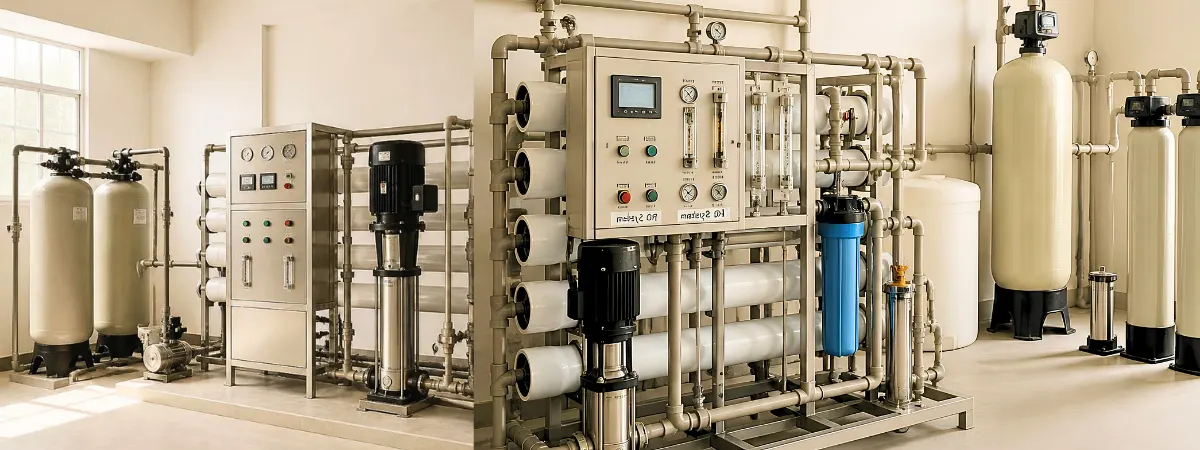
Choosing the right water treatment system is an important decision for businesses, industrial facilities, commercial establishments, and institutions that depend on a reliable water supply. Water quality can affect equipment performance, production processes, sanitation, maintenance requirements, and overall operating costs.
However, there is no single water treatment system that works for every facility. The right solution depends on the quality of the incoming water, the intended use, required capacity, available space, and the specific problems that need to be addressed.
For facilities in Cebu, working with an experienced water treatment service provider can help identify the appropriate equipment and treatment process based on actual site conditions.
1. Start by Identifying Your Water Quality
Before selecting any water treatment equipment, it is important to understand what is actually present in the water.
Water may contain different contaminants depending on its source. These can include suspended solids, sediment, hardness, dissolved minerals, microorganisms, unpleasant odors, and other substances that may affect water quality.
A water quality assessment or laboratory analysis can help determine which contaminants need to be addressed.
For example, water with excessive sediment may require a filtration system, while hard water may require a water softener. Water containing high levels of dissolved solids may require a reverse osmosis system.
Without first understanding the water condition, selecting equipment based only on capacity or price can result in an ineffective treatment system.
2. Determine How the Treated Water Will Be Used
The required treatment process also depends on the intended application.
A facility using water for general cleaning may have different requirements from a business using water for production, food processing, equipment operation, or other specialized applications.
Some applications may require basic filtration, while others may require multiple treatment stages.
Common applications include:
- Industrial processes
- Commercial establishments
- Food and beverage facilities
- Hotels and other hospitality facilities
- Schools and institutions
- Equipment and boiler systems
- General facility water supply
Clearly defining the intended use helps determine the required water quality and treatment level.
3. Consider the Required Water Capacity
Water treatment systems must be properly sized according to the facility’s actual water demand.
Installing equipment that is too small may result in insufficient treated water, reduced system performance, and excessive operating stress. On the other hand, an oversized system may increase equipment, installation, energy, and maintenance costs without providing meaningful benefits.
When determining system capacity, consider factors such as:
- Average daily water consumption
- Peak water demand
- Required flow rate
- Operating hours
- Number of users or production areas
- Storage capacity
- Future expansion
Proper sizing ensures that the treatment system can consistently meet the facility’s water requirements.
4. Understand the Different Types of Water Treatment Systems
Different water quality problems require different treatment technologies. Some facilities may need a single treatment process, while others require several stages working together.
Water Filtration Systems
Water filtration systems are commonly used to remove sediment, suspended particles, and other physical impurities from water.
Depending on the application, filtration can be used as a standalone treatment process or as part of a larger multi-stage water treatment system.
Water Softener Systems
Water softeners are commonly used to reduce hardness caused by minerals such as calcium and magnesium.
Hard water can contribute to scale buildup in pipes, heaters, boilers, and other equipment. A properly selected water softening system can help reduce these problems and improve the performance of water-using equipment.
Reverse Osmosis Systems
Reverse osmosis, commonly known as RO, is a treatment process used to reduce dissolved salts, minerals, and other contaminants from water.
RO systems are commonly considered when a facility requires a higher level of water purification. However, proper pretreatment is often important to protect the RO membrane and maintain system performance.
Water Treatment Resin
Water treatment resins are used in various treatment applications, including water softening and demineralization.
The appropriate resin depends on the treatment objective, water chemistry, operating conditions, and equipment configuration.
5. Consider Pretreatment Requirements
One of the common mistakes in designing a water treatment system is focusing only on the main treatment equipment.
For example, a reverse osmosis system may require pretreatment to protect its membranes from sediment, chlorine, hardness, or other conditions that can reduce performance.
Depending on the water source and treatment objective, pretreatment may include:
- Sediment filtration
- Multimedia filtration
- Activated carbon filtration
- Water softening
- Chemical dosing
- Other specialized treatment processes
A properly designed pretreatment stage can help protect downstream equipment and improve the reliability of the overall system.
7. Consider Operating and Maintenance Requirements
The initial purchase price should not be the only consideration when choosing a water treatment system.
Facilities should also consider the long-term requirements of the system, including energy consumption, consumables, replacement filters, treatment media, membranes, chemicals, spare parts, and routine maintenance.
A system that is easier to maintain can provide practical advantages over the long term.
Before installation, facility owners should understand:
- How frequently components require replacement
- What routine maintenance is needed
- What consumables are required
- How often the system should be inspected
- What spare parts should be kept available
- Who will perform maintenance and technical support
These considerations can help prevent unexpected operating problems and unnecessary downtime.
8. Work with an Experienced Water Treatment Service Provider
Selecting the right water treatment system involves more than choosing equipment from a product catalog.
The treatment process should be matched to the actual water condition, required capacity, intended application, available space, and operating requirements of the facility.
A qualified water treatment service provider can help evaluate these factors and recommend an appropriate system configuration.
Kanotech Industrial Engineering Services provides water treatment services in Cebu, supporting industrial, commercial, and institutional facilities with water treatment system design, equipment selection, installation, testing, commissioning, and maintenance.
Our water treatment solutions may include reverse osmosis systems, water filtration systems, water softener systems, industrial salt, water treatment resin, and related treatment equipment.
9. Plan for Future Expansion
A facility’s water requirements may change over time.
Business expansion, additional production equipment, increased occupancy, or new processes can increase water demand. When planning a water treatment system, it can be beneficial to consider potential future requirements.
This does not necessarily mean installing an oversized system from the beginning. Instead, the system design can consider whether future expansion can be accommodated through additional treatment capacity, modular equipment, storage, or other upgrades.
Planning can make future improvements more manageable and reduce the need for major system modifications.
Conclusion
Choosing the right water treatment system starts with understanding the water quality and the facility’s actual requirements. Factors such as water contaminants, intended application, capacity, treatment technology, pretreatment, available space, maintenance, and future expansion should all be considered before selecting equipment.
For facilities that need water treatment services in Cebu, Kanotech Industrial Engineering Services can assist with system planning, equipment installation, and technical support based on the specific requirements of the project.
Whether your facility needs filtration, water softening, reverse osmosis, or a combination of treatment processes, proper system design can help provide a more reliable and practical water treatment solution.