Wastewater is generated by many types of facilities, including manufacturing plants, food-processing operations, commercial buildings, hotels, institutions, and other industrial establishments.
Its characteristics can vary significantly depending on the activities within the facility.
Some wastewater may contain high levels of organic matter, suspended solids, oils, chemicals, detergents, nutrients, or other contaminants. Without proper treatment, these materials can affect downstream drainage systems, receiving environments, treatment equipment, and overall facility operations.
A properly designed wastewater treatment system in the Philippines helps manage these contaminants through a series of physical, biological, and chemical treatment processes.
The treatment system should not simply be based on tank size or daily wastewater volume. It must be designed around the actual characteristics of the wastewater, the required treatment performance, the operating conditions of the facility, and the intended discharge or reuse requirement.
What Is a Wastewater Treatment System?
A wastewater treatment system is a combination of tanks, equipment, piping, controls, and treatment processes used to reduce contaminants before wastewater is discharged, reused, or transferred to another treatment stage.
Depending on the facility, a treatment system may include:
- Collection and screening
- Equalization
- Oil and grease separation
- pH adjustment
- Chemical treatment
- Biological treatment
- Aeration
- Sedimentation
- Sludge handling
- Filtration
- Disinfection
- Final effluent storage or discharge
Not every facility requires the same treatment process.
For example, wastewater generated by a food-processing plant may have a different organic loading compared with wastewater from a commercial building or manufacturing operation.
This is why wastewater treatment design should begin with a clear understanding of the wastewater source and laboratory analysis.
Why Wastewater Treatment Is Important?
Wastewater treatment is more than a requirement at the end of a production process.
It is part of the overall operation of the facility.
When a treatment system performs poorly, the effects may include unpleasant odor, excessive sludge, overflowing tanks, poor effluent quality, equipment failure, increased chemical consumption, and additional operating costs.
A properly managed system can help a facility achieve several important objectives.
1. Improve Wastewater Quality
Treatment reduces pollutants and contaminants before the wastewater leaves the facility or proceeds to another treatment stage.
2. Support Environmental Responsibility
Treating wastewater properly helps reduce the amount of untreated contaminants entering drainage systems and the surrounding environment.
3. Protect Downstream Systems
Solids, oils, grease, and other contaminants can create problems in pipelines, pumps, drainage systems, and downstream treatment equipment.
4. Improve Operational Control
A properly designed treatment process gives facility operators better control over changes in wastewater volume and quality.
5. Support Water Reuse Opportunities
Depending on the treatment level and intended application, treated wastewater may be considered for certain non-potable reuse applications where technically and legally appropriate.
Different Sources of Industrial and Commercial Wastewater
Wastewater characteristics depend heavily on where the water comes from.
Common sources may include:
- Manufacturing processes
- Equipment washing
- Floor cleaning
- Food preparation
- Production washdown
- Sanitary facilities
- Laundry operations
- Cooling and utility processes
- Chemical cleaning
- Workshops and maintenance areas
Wastewater from these sources may contain different levels of:
- Biochemical oxygen demand or BOD
- Chemical oxygen demand or COD
- Total suspended solids
- Oil and grease
- Nutrients
- Detergents
- Acids or alkaline materials
- Dissolved substances
- Microorganisms
Understanding these characteristics is necessary before determining the appropriate treatment process.
Basic Wastewater Treatment Process
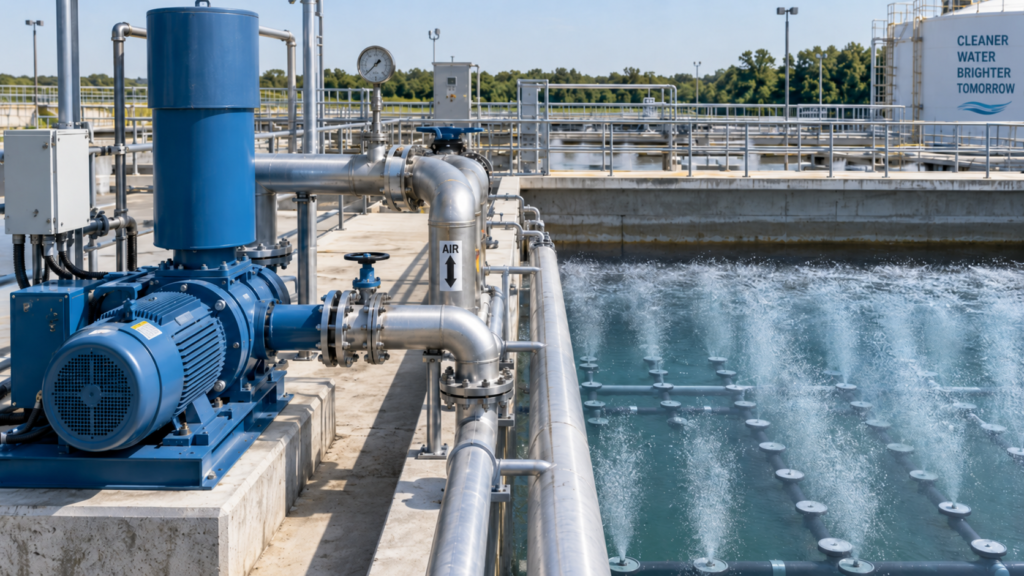
A complete wastewater treatment facility may contain several treatment stages.
The arrangement depends on the type and strength of the wastewater.
A typical process may follow this general sequence:
Wastewater Collection → Screening or Pretreatment → Equalization → Biological or Chemical Treatment → Sedimentation → Filtration → Disinfection → Final Effluent
Each stage has a specific function.
1. Screening and Preliminary Treatment
Large solids and debris should normally be removed before wastewater enters pumps and downstream treatment equipment.
Screens or other preliminary treatment components may be used to prevent plastics, rags, food particles, and other unwanted materials from entering the treatment process.
Removing these materials early can help reduce clogging and protect pumps, pipelines, and mechanical equipment.
Facilities generating significant oil or grease may also require appropriate separation before biological treatment.
2. Equalization
Wastewater flow and concentration rarely remain constant throughout the day.
Production schedules, cleaning activities, employee usage, and other operations can create sudden increases in flow or contaminant loading.
An equalization tank helps collect and balance these variations.
Instead of allowing a large wastewater load to immediately enter the biological treatment process, equalization provides more consistent flow and concentration to the next treatment stage.
Mixing or aeration may also be used in the equalization tank depending on the system design.
Good equalization can significantly improve the stability of the entire treatment process.
3. Biological Treatment
Biological treatment uses microorganisms to break down biodegradable organic matter in wastewater.
In an aerobic treatment process, microorganisms require oxygen to remain active.
This is why aeration systems are commonly used in wastewater treatment facilities.
The aeration system may include:
- Roots blowers
- Air piping
- Diffusers
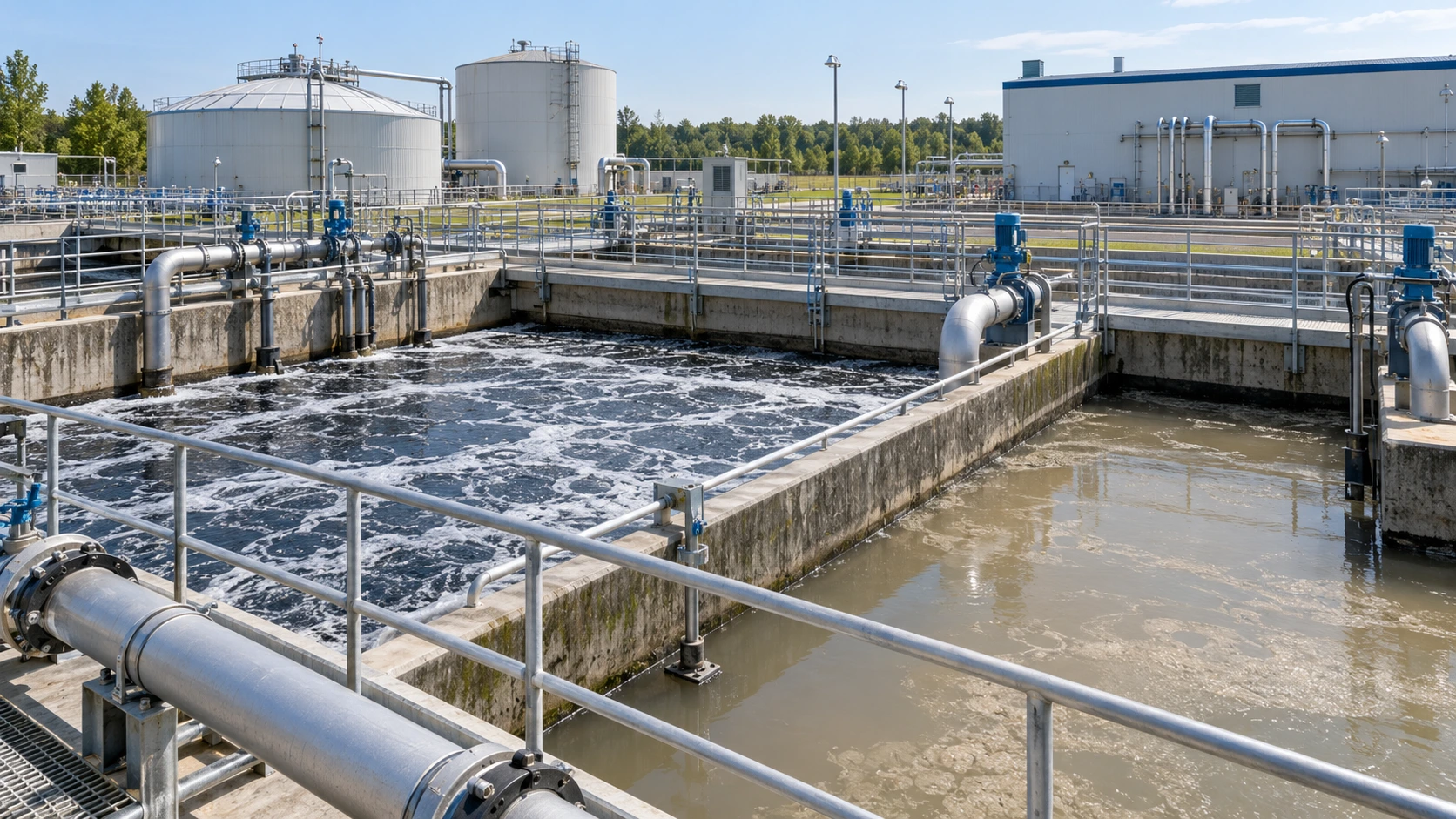
- Aeration tanks
- Control valves
The blower supplies air while diffusers distribute it into the wastewater.
Proper oxygen transfer is important because insufficient aeration can reduce biological treatment performance and may contribute to odor or poor effluent quality.
However, simply installing a larger blower is not always the correct solution.
Air requirements should be evaluated based on tank size, wastewater loading, process configuration, and oxygen demand.
4. Sedimentation
After biological treatment, wastewater usually contains suspended biological solids.
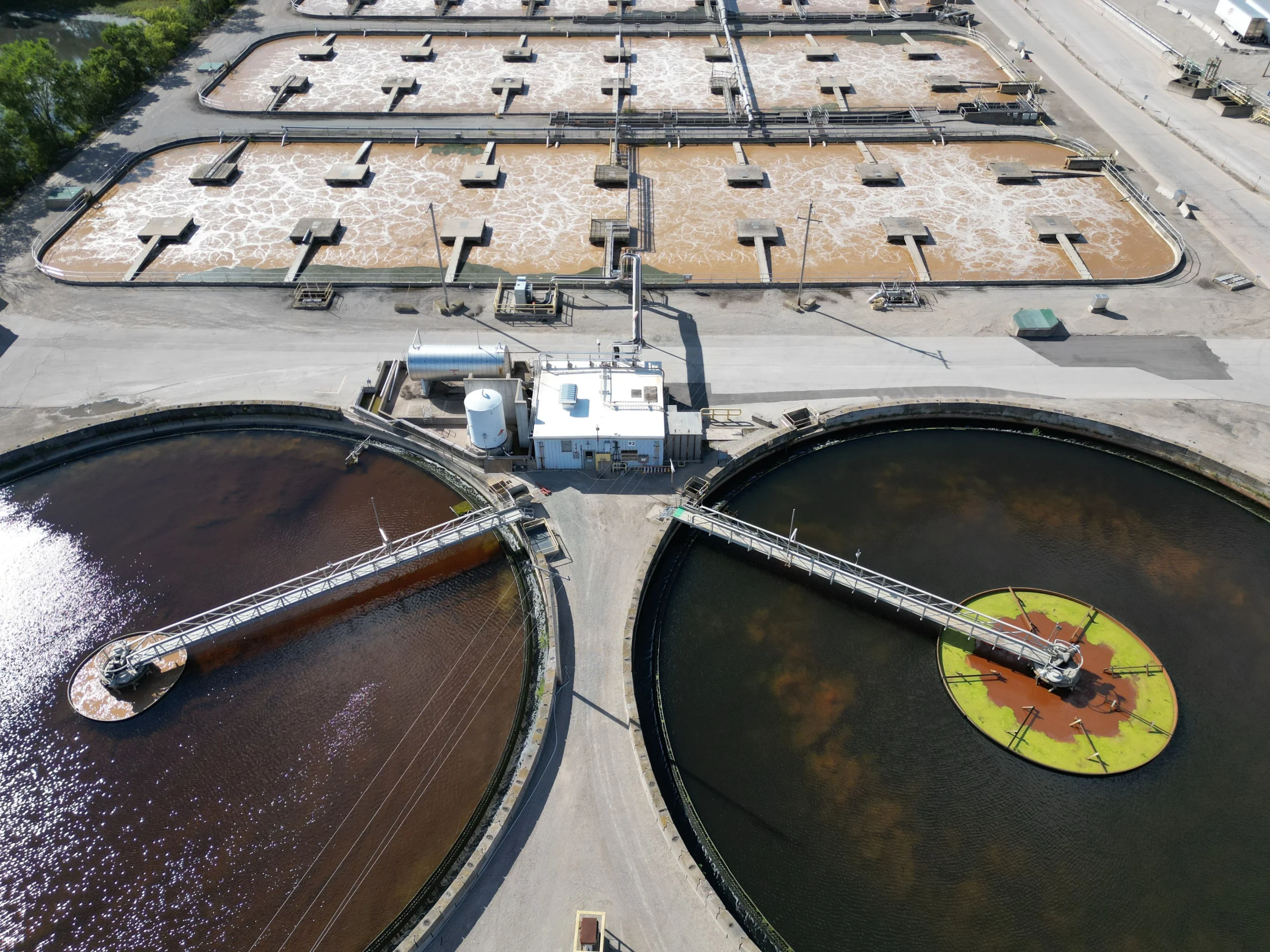
A settling or clarification stage allows these solids to separate from the treated water.
When the process is working properly, heavier solids settle while clearer water continues to the next treatment stage.
Poor settling may result from several conditions, including:
- Excessive hydraulic flow
- Improper biological conditions
- Insufficient aeration
- Sludge accumulation
- Process imbalance
- Changes in wastewater characteristics
Sedimentation performance should therefore be evaluated together with the upstream biological process.
5. Sludge Management
Wastewater treatment produces sludge that must be managed properly.
If too much sludge accumulates in treatment tanks, it can reduce effective tank volume and interfere with treatment performance.
Facilities should have a practical procedure for sludge removal, storage, dewatering, or disposal depending on the type of treatment system.
Sludge handling should be considered during the original design of the plant rather than treated as an afterthought.
6. Filtration and Final Treatment
Depending on the required effluent quality, additional treatment may be installed after biological treatment and sedimentation.
This may include:
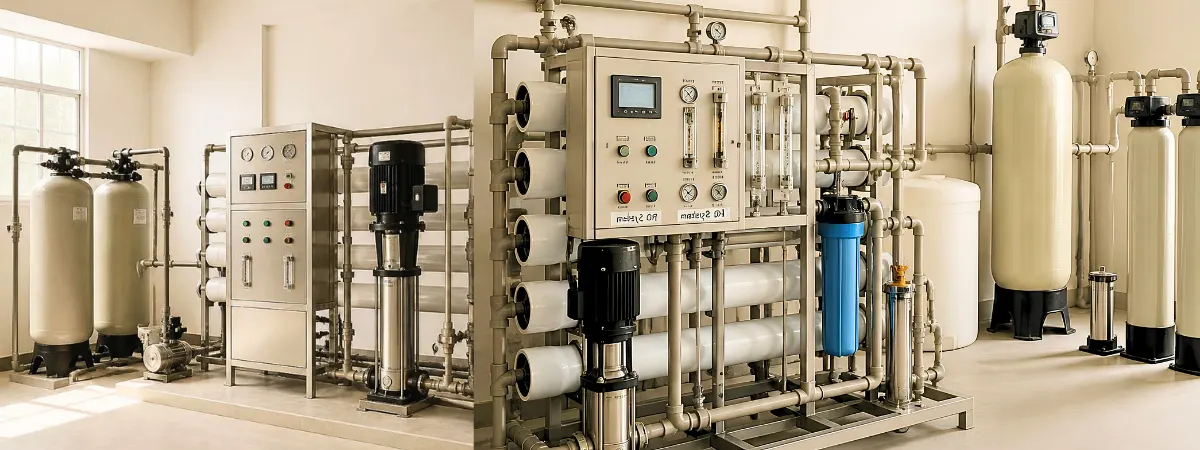
- Multimedia filtration
- Activated carbon filtration
- Cartridge filtration
- Chemical dosing
- Disinfection
Filtration can help reduce remaining suspended particles before final discharge or reuse.
Activated carbon may be applied where additional polishing is required for certain contaminants, color, or odor.
Disinfection may also be used as a final treatment stage where microbiological control is required.
Factors to Consider When Designing a Wastewater Treatment Facility
Wastewater treatment design should be based on actual site and process conditions.
Several factors should be reviewed before equipment and tank sizes are finalized.
1. Daily Wastewater Flow
The average wastewater volume provides an important starting point.
However, peak hourly flow should also be considered because wastewater may enter the plant unevenly throughout the day.
2. Wastewater Analysis
Laboratory testing helps determine the strength and characteristics of the wastewater.
Parameters commonly evaluated may include:
- pH
- BOD
- COD
- Total suspended solids
- Oil and grease
- Nutrients
- Other parameters relevant to the facility
A treatment system designed without sufficient wastewater characterization may perform differently once actual operations begin.
3. Source of Wastewater
A treatment plant serving sanitary wastewater will not necessarily have the same process requirements as a facility receiving wastewater from food production, chemical cleaning, manufacturing, or industrial washdown.
4. Required Effluent Quality
The required final water quality affects the number and type of treatment stages needed.
Higher treatment requirements may require additional biological treatment, filtration, disinfection, or polishing processes.
5. Available Space
Treatment tanks, pumps, blowers, filters, chemical systems, electrical panels, sludge handling equipment, and maintenance access all require space.
A compact layout may be possible, but equipment should not be placed so closely together that servicing becomes difficult.
6. Operating Conditions
The system should also consider:
- Operating hours
- Production schedule
- Expected future expansion
- Availability of operators
- Power supply
- Chemical storage
- Drainage
- Maintenance access
A system that works well on paper must also be practical for the people who will operate it every day.
Importance of Proper Operation and Maintenance
Even a well-designed wastewater treatment system can experience problems if it is not properly operated.
Routine monitoring may include:
- Wastewater flow
- pH
- Tank levels
- Blower operation
- Air distribution
- Pump operation
- Sludge condition
- Odor
- Chemical dosing
- Filter pressure
- Equipment vibration or unusual noise
- Final effluent appearance
- Laboratory results
Operators should also maintain records.
A gradual change in water quality, air pressure, sludge condition, pump performance, or chemical consumption can provide useful warning signs before a major problem develops.
Preventive maintenance should also include inspection of pumps, blowers, diffusers, valves, electrical controls, pipelines, and treatment equipment.
Common Wastewater Treatment Problems
Wastewater treatment systems may experience problems over time due to changes in loading, equipment condition, maintenance practices, or plant operations.
Common issues may include:
- Strong odor
- Foaming
- High turbidity
- Excessive sludge
- Poor sludge settling
- Insufficient aeration
- Clogged diffusers
- Blower problems
- Pump failure
- Inconsistent chemical dosing
- High BOD or COD
- Poor final effluent quality
The correct response depends on the cause of the problem.
Replacing equipment without identifying the root cause may only provide a temporary solution.
A proper assessment should consider the treatment process, equipment condition, operating data, wastewater characteristics, and current facility requirements.
When a Wastewater Treatment System Needs Upgrading
Facility requirements can change over time.
Production may increase, additional buildings may be constructed, more employees may be added, or wastewater characteristics may change.
A treatment system originally designed for a lower load may eventually struggle to maintain stable performance.
Possible signs that an upgrade should be evaluated include:
- Frequent overflow
- Increasing odor problems
- Consistently poor effluent results
- Blowers operating continuously at maximum capacity
- Pumps unable to handle peak flow
- Excessive sludge accumulation
- Treatment tanks operating beyond their original capacity
- Frequent equipment breakdown
- Production expansion
- Additional wastewater sources
Before expanding the system, the existing facility should be assessed to determine which components can still be used and which require modification or replacement.
Wastewater Treatment Solutions from Kanotech
Kanotech Industrial Engineering Services provides wastewater treatment solutions for industrial and commercial facilities.
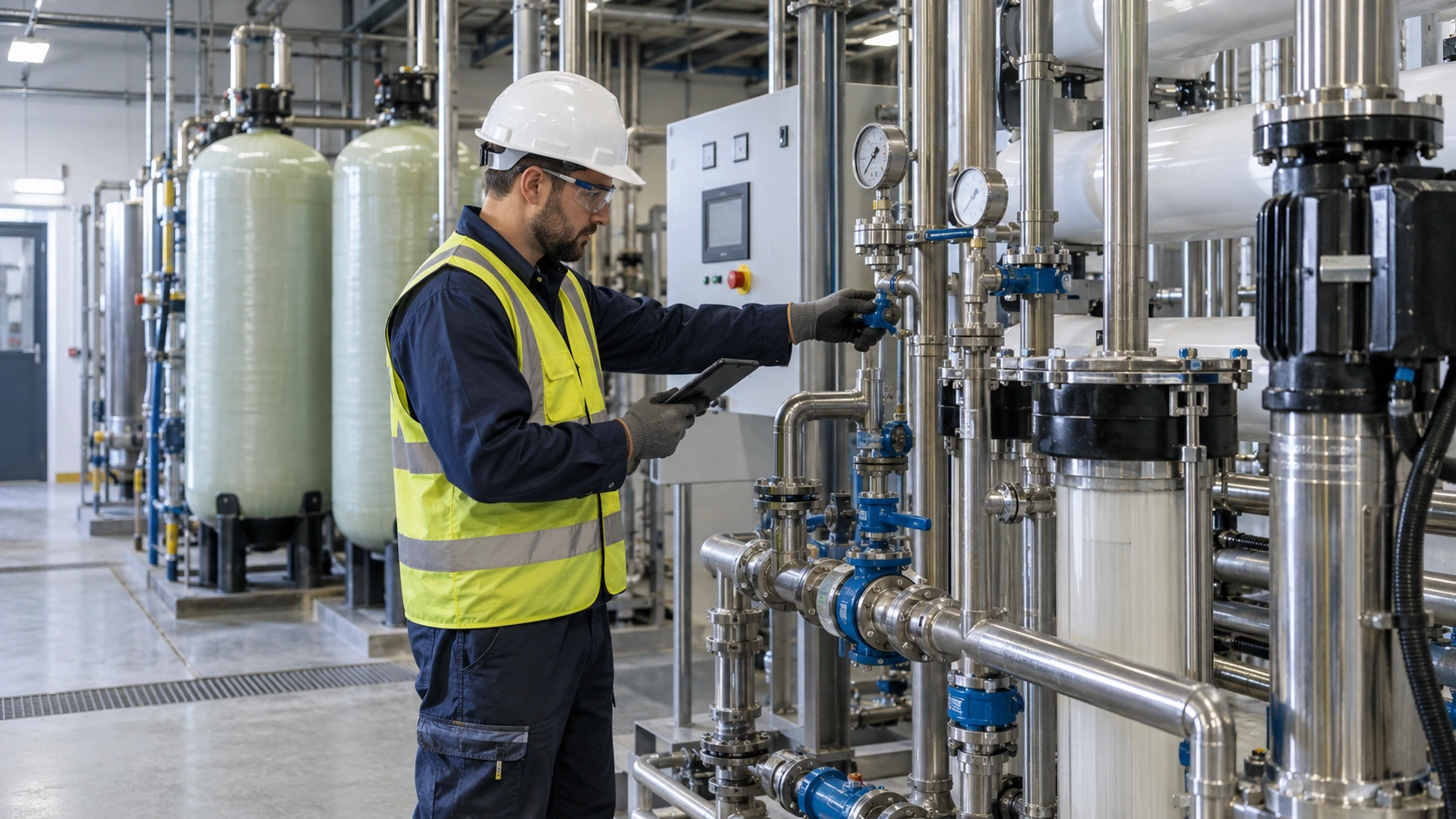
Our work may include assessment of existing treatment facilities, engineering design, process improvement, equipment supply, mechanical and piping works, electrical and control integration, testing, commissioning, rehabilitation, expansion, and technical support based on project requirements.
Wastewater treatment systems may involve equipment such as:
- Submersible pumps
- Roots blowers
- Air diffusers
- Filtration vessels
- Dosing systems
- Tanks
- Valves
- Process piping
- Electrical controls
- Instrumentation
Kanotech evaluates the treatment system as a complete process rather than looking at individual equipment alone.
The objective is to develop or improve a wastewater treatment facility that is practical to operate, maintainable, and suited to the actual wastewater conditions of the site.
Planning a New Wastewater Treatment Facility or System Upgrade?
No two wastewater treatment facilities operate under exactly the same conditions.
Wastewater volume, contaminant loading, production activities, equipment condition, tank capacity, and treatment objectives can all affect performance.
If your facility is planning a new treatment system, production expansion, rehabilitation, or improvement of an existing wastewater treatment facility, a technical assessment can help determine the appropriate treatment approach before major equipment or construction decisions are made.